Buying a VPN app: a due diligence checklist before you pay
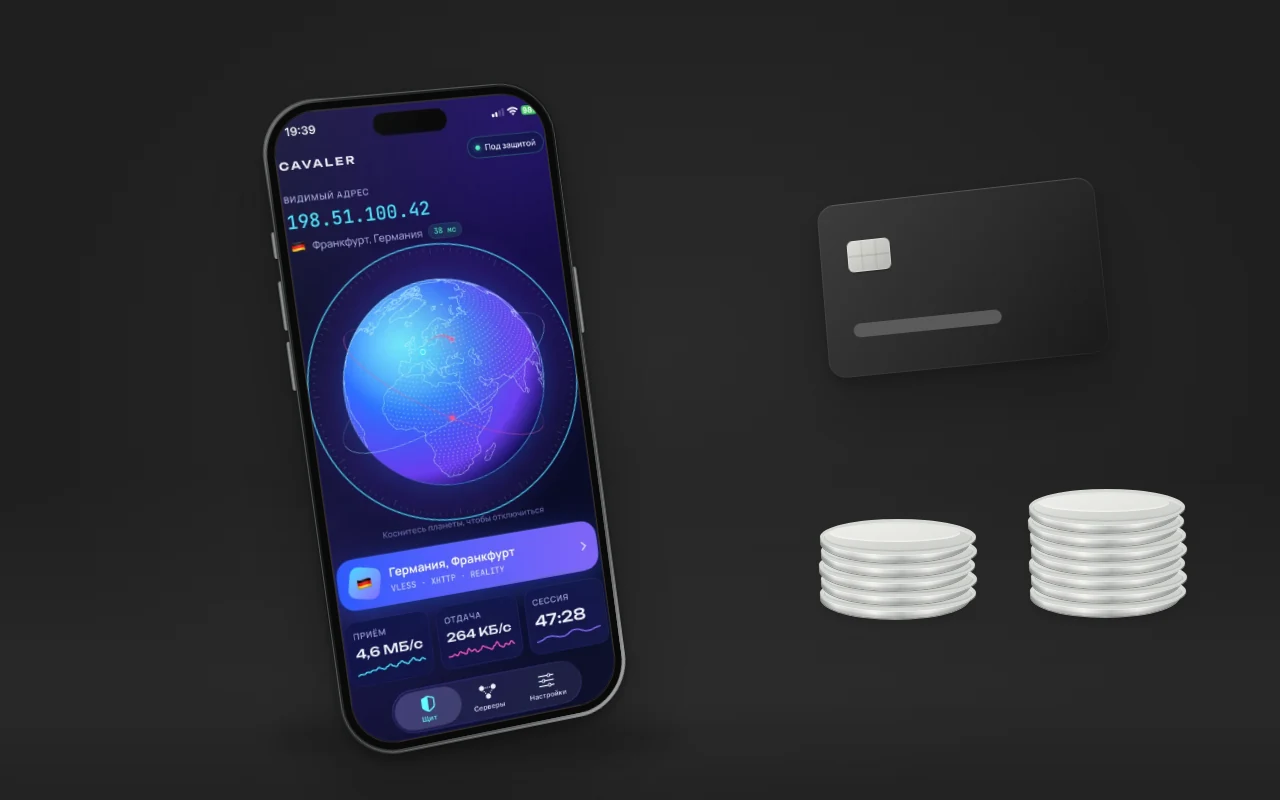
Buying a VPN app with users already on it looks like the shortcut. It's live, it passed review, it ranks for something. The listing shows revenue and a multiple. It rarely shows what keeps that revenue alive once the seller walks away. This is the checklist we'd use before paying, and most of it comes from preparing our own VPN apps for sale. Some of what we found there wasn't pleasant.
Short answer
Check four things before money moves. Where revenue comes from: subscriptions, ads, or a reseller deal. Whose servers the app connects to after the sale. Whether the actual binary contains GPL code the seller didn't mention. And whether the app can be transferred to your organization account and built on a clean machine from the seller's README.
| Check | How | Red flag |
|---|---|---|
| Revenue source | App Store Connect and Play Console reports, not screenshots | most revenue is ads in a VPN app |
| Server network | contracts, invoices, panel access | servers rented on the seller's personal account, or a white-label network you can't take over |
| Licences | module list of the iOS build (go list -deps), LICENSE files | GPL modules in a "closed source" sale |
| Store account | Guideline 5.4, how the app will be handed over | app on an individual account |
| Build | clean machine, your signing team | only builds on the seller's laptop |
Where the revenue actually comes from
VPN listings vary a lot in quality. One subscription-only VPN app on Acquire.com in November 2026 asked $85,000 against $82,400 yearly revenue and $32,200 yearly profit, and the listing said it had no ads and sold no data. A VPN and IPTV app bundle on TrustMRR showed $11,609 in monthly recurring revenue and 4,042 active subscriptions. Whatever the marketplace, Flippa or Acquire, ask what the numbers are verified with: App Store Connect and Play Console reports, not screenshots.
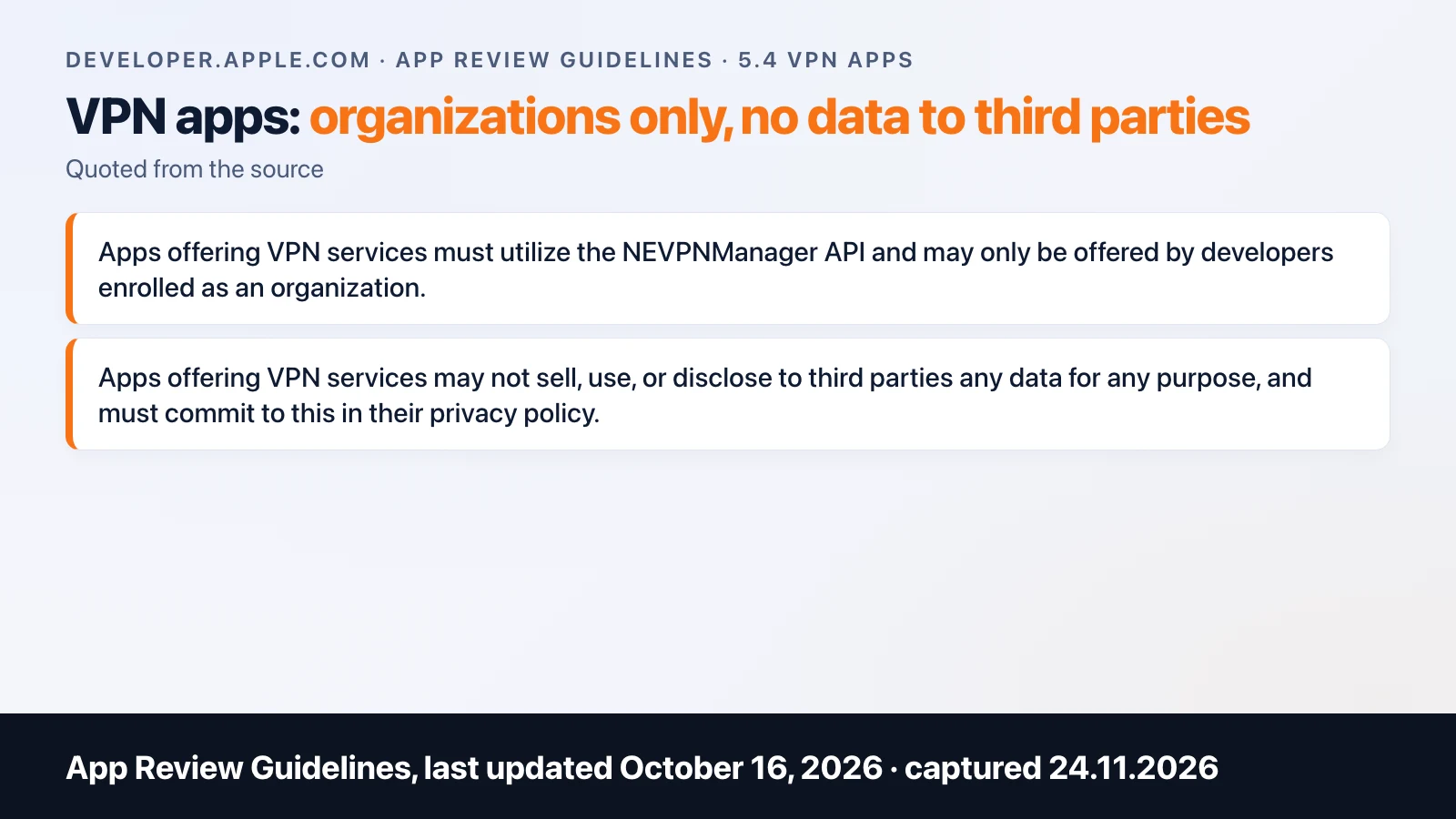
Ad-driven revenue is a different asset. Guideline 5.4 says apps offering VPN services may not sell, use or disclose to third parties any data for any purpose, and must commit to that in their privacy policy. An ad network SDK inside a VPN app sits right on that line. If a large share of the revenue is ads, ask which SDKs are in the build and what they send, and price in the chance that a review takes that revenue away.
For subscriptions, look at the plan mix. Weekly plans with short trials can show strong top-line numbers and heavy churn. MRR alone won't tell you that. Ask for renewal cohorts.
Who runs the servers after the sale
A VPN app is a client. The value is half in the app and half in the network it connects to. There are three common setups:
- the seller runs their own servers, usually WireGuard or Xray, with a panel;
- the app is a white-label skin on a provider's network, paid per active user;
- the app connects to servers the user brings (a "bring your own keys" client), so there is no network to transfer.
The first one needs a handover plan: server accounts, the panel database, domain, payment processor. The second depends on the provider contract: it is signed by the seller, so check that it allows a change of owner before you count that revenue as yours. We wrote a separate piece on who owns the customers under white label, reselling and your own code.
GPL inside Xray-core
Most VLESS and Reality clients run Xray-core. The core is MPL-2.0, which allows a closed-source app as long as you publish your changes to the core's own files.
The catch is in the dependencies. When we built the bridge to the core for one of our apps, go list -deps for the iOS target showed two GPL-3.0 modules in the binary: sagernet/sing and sagernet/sing-shadowsocks. Mandatory parts of the core pull them in, so a trimmed import list didn't remove them. A four-file patch to the core did, at the cost of Shadowsocks 2022 support. To be straight about our own apps: this item is closed in one of them so far. In two others sing is still in the binary, the task is open until the first store submission, and the licence file says so on its first lines. A buyer sees that before the deal.
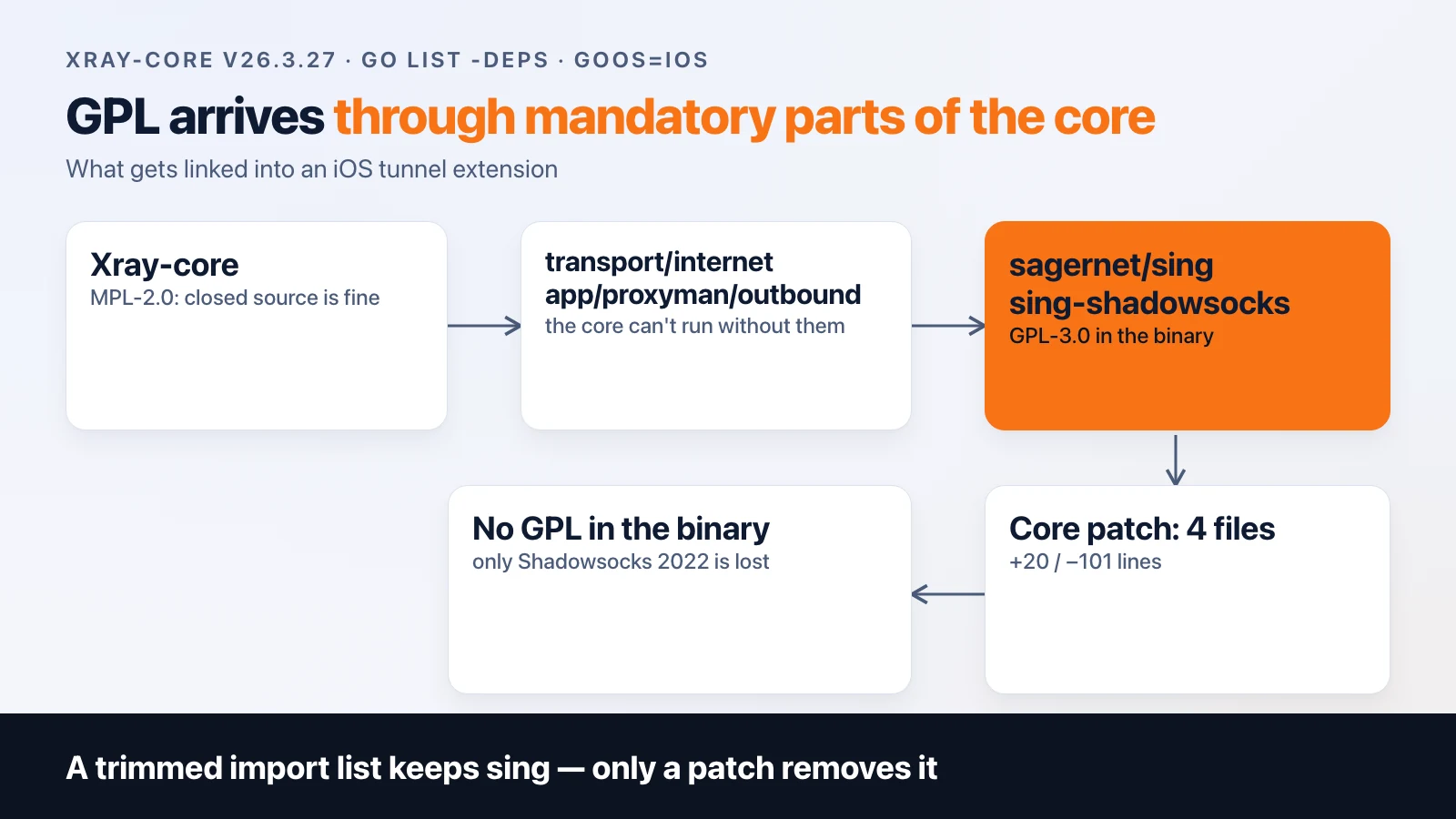
Ask the seller for the licence list generated from the real build, the patch set for the core with the upstream commit, and the in-app licence screen. If they don't know what sagernet/sing is, nobody has checked.
Geo data for routing has the same problem in miniature. Some popular builds are GPL-3.0, and MaxMind GeoLite2 data can't be redistributed without MaxMind's written consent. We use v2fly's files: geosite is MIT, geoip is CC-BY-SA-4.0 built on DB-IP data. It can ship unmodified with attribution, and ShareAlike applies to the file itself. Whether that works for you is a question for your lawyer.
The App Store transfer
Guideline 5.4: VPN apps may only be offered by developers enrolled as an organization. An app sitting on an individual account is already a question for the seller.
Usually the app moves by an App Store transfer into your organization account: it stays on sale with its reviews and subscribers. Some deals hand over the whole account instead, and then the terms are their own negotiation. Either way, test sign-in and connection on your first release under your team: the app and its tunnel extension share data through an App Group and the keychain, and both are tied to the developer team.
On Google Play, apps that use VpnService must file a declaration with a video of the prominent disclosure. Check the existing one matches how the app uses the API: if you change that use, Google requires a new declaration.
Guideline 4.3 is worth a look too: it forbids multiple Bundle IDs of the same app and apps indistinguishable from what's widely available. A second VPN client built on the same template as one you already publish carries that risk.
If you plan to sell in a country that requires a VPN licence, Guideline 5.4 asks for the licence details in the App Review notes.
Build it yourself before you pay
Build the project yourself: clean machine, the seller's README, your own signing team. If the build needs "a quick call with our developer", what you're really buying is that developer's time.
While the seller is still talking to you:
- run the tests for the core bridge; a "restart the core under traffic" test is a good sign: in our clients the tunnel extension restarts the core on server changes, and in one of them that path crashed the process until we patched the core;
- check that geo files are pinned by hash;
- ask whether memory of the tunnel extension was measured on a device: iOS gives the extension a hard memory limit, and a heavy routing config eats it fast (our own numbers are from a Mac so far, device runs are in progress);
- import your own server link or subscription and see it connect.
What to ask the seller
- Which Xray-core commit, and which patches on top?
- Is there GPL code in the binary? Show the generated list.
- Who owns the server accounts, and can they be transferred?
- Is the app on an organization account? Which version is live?
- What share of revenue is subscriptions, and what are the renewal cohorts?
- How much post-sale support is included?
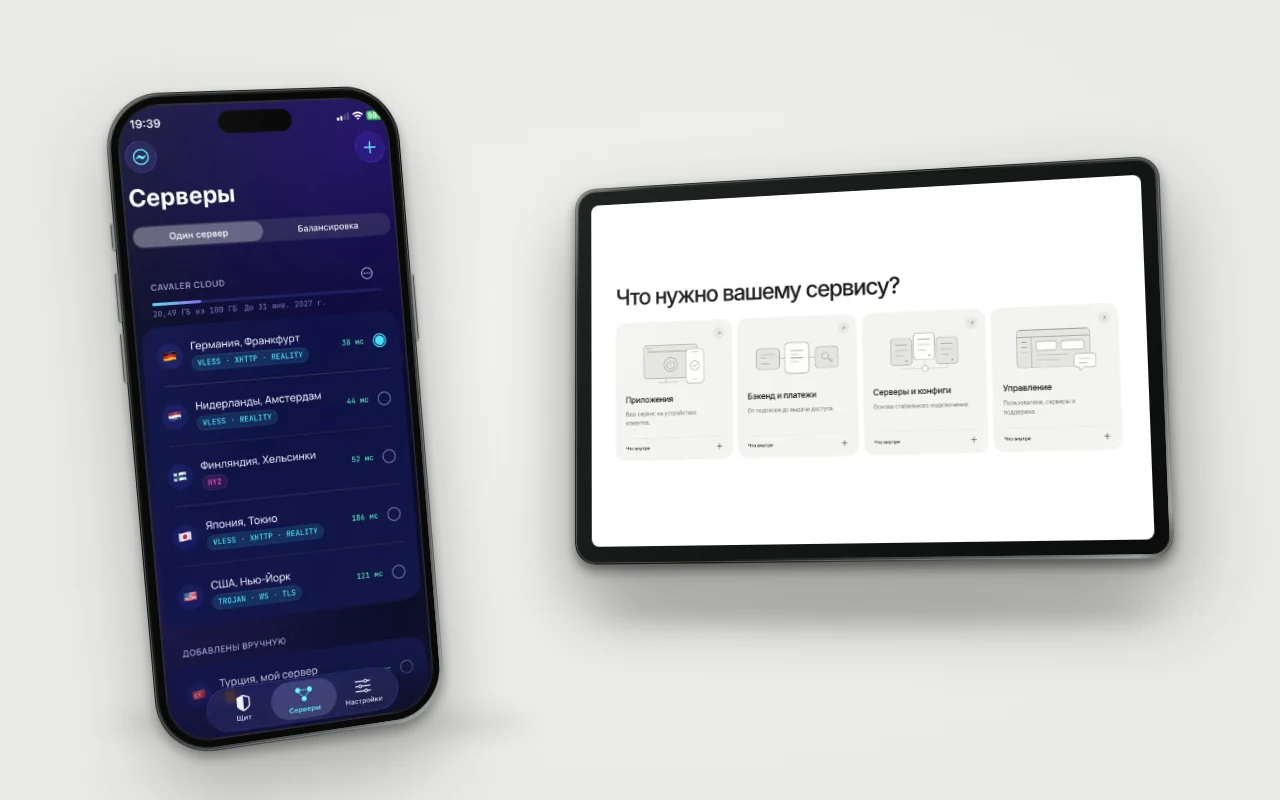
We sell VPN client apps with full source and a written list of what has and hasn't been verified yet: Cavaler, Sheleste, Kluch 17 and Dostup. The VPN business page has a calculator for launching with your own app, bot and panel.
Frequently asked
Can an individual developer account own a VPN app on the App Store?
No. App Store Review Guideline 5.4 says VPN apps may only be offered by developers enrolled as an organization. The account that receives the app has to be an organization too.
Do subscribers move with the app?
Yes. Usually the app is moved by an App Store transfer into the buyer's account, and it keeps its reviews and subscriptions.
Is a VPN app built on Xray-core safe to sell as closed source?
Xray-core itself is MPL-2.0, which allows a closed app. But a default build links sagernet/sing modules under GPL-3.0 into the binary. Ask for the module list of the actual iOS build, not go.mod.
Can a VPN app make money from ads?
Guideline 5.4 says VPN apps may not sell, use or disclose any data to third parties for any purpose. Before paying for ad-driven revenue, check exactly which ad SDKs are in the app and what they collect.
Related articles
White label VPN, reseller or your own code: who owns the customers
White label, VPN reseller programs and owning the code compared on what matters after launch: pricing control, customer data, servers and leaving.
VPN Server Hardware: Which VPS to Pick and How Much It Can Handle
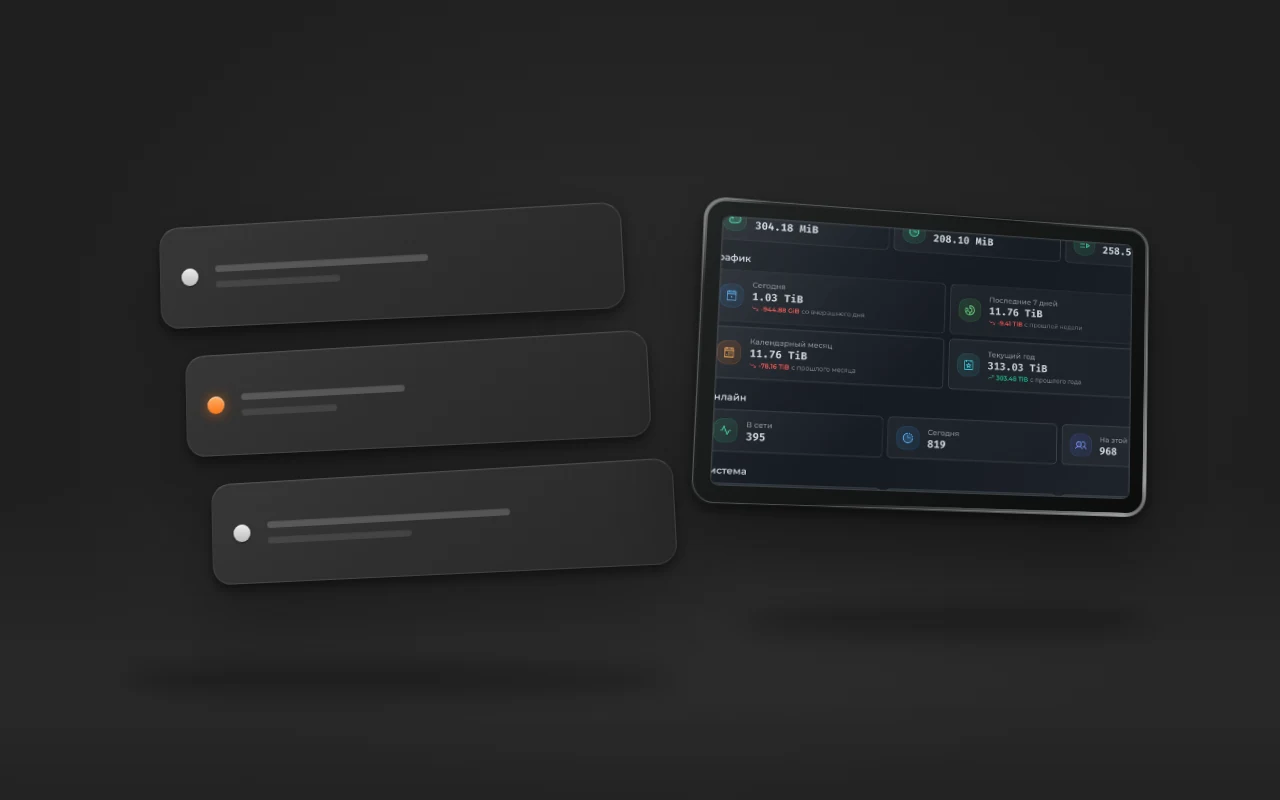
What kind of VPS a subscription-based VPN service needs: bandwidth, traffic limits, CPU. Real numbers from a live service: 79 TiB per month, 395 users online, and what hits its limit first.
Your Own App or Happ: What to Give VPN Service Customers
Happ is free and installs in a minute, but it keeps getting pulled from the Russian App Store. Your own app can take months to pass review. What to give subscribers, and when.