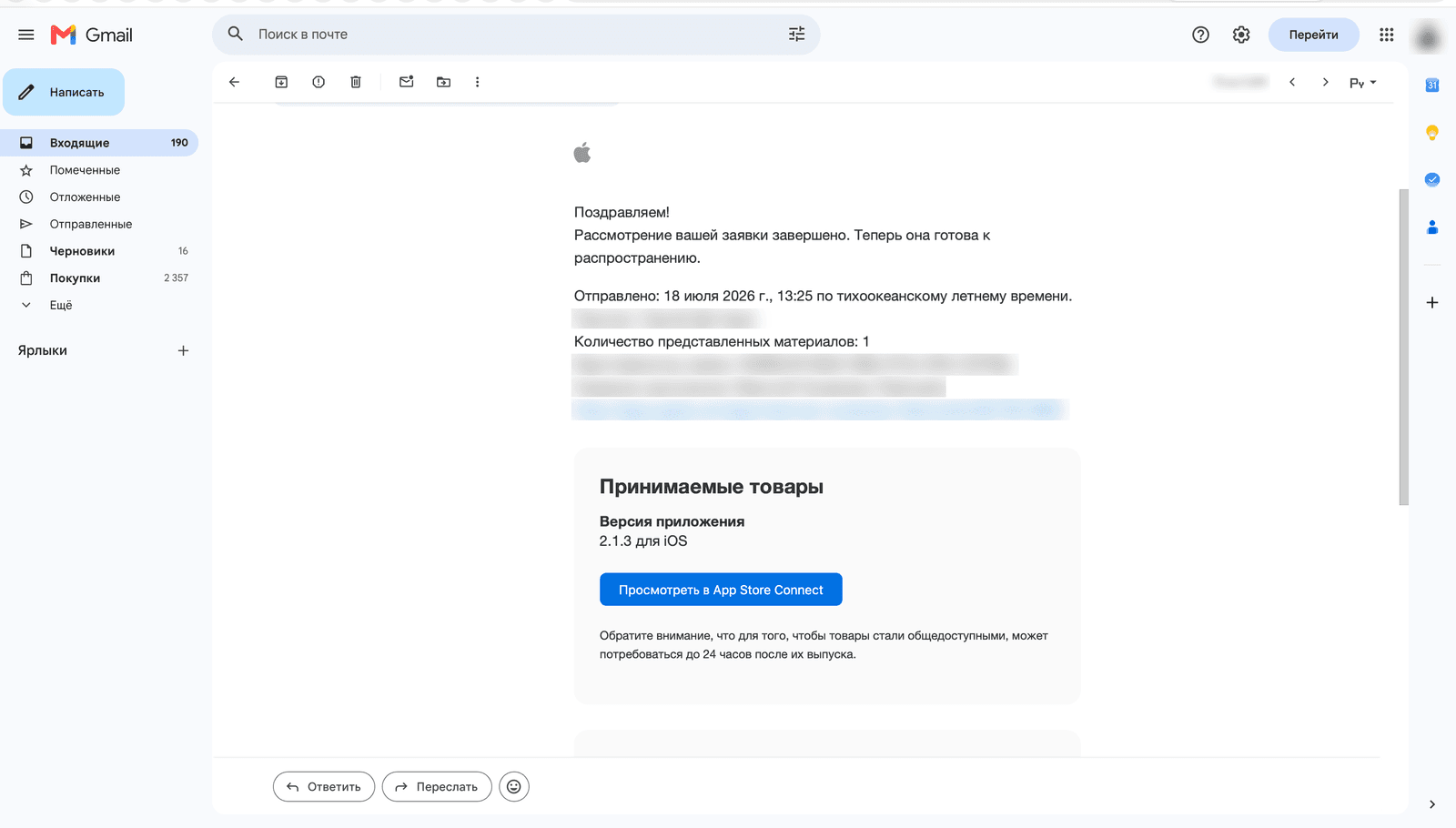
Guideline 4.3(a) — Design — Spam
Rejection 1 of 6
Assembled to fit: iOS and Android apps, a backend that controls payments, panel setup, a site and AI support. The same stack MeerGuard runs on.
Four layers. We build the ones you do not have and connect them to the ones you do.
01
Protocols, configs, keys. We set the panel up — basic, or tuned for restrictive networks.
02
Subscriptions, Apple and Google payment control, key issuing, security.
03
What your customer actually uses. Any combination of channels.
04
The customer pays in the app, in Telegram or on the site — the money goes to you.
A bot with a pay button is a weekend. What follows is the part the tutorials skip — we went through it on our own service.
Guideline 4.3: a saturated category and "similar to others in code, description or concept". VPN hits both — we were rejected six times.
What gets a build approved changes: the approach that worked last release does not work on the next one.
Publishing as a business requires an organisation account: a registered company and a D-U-N-S number.
Off-the-shelf configs do not work in Russia. When they do, it is usually on Wi-Fi only.
Client on the device, configs on the server, network and protocols, backend with payments and an admin panel, support. From outside you only see the pay button.
When it breaks in the evening they do not write to support — they cancel. Retention here costs more than acquisition.
Rejection 1 of 6
Guideline 4.3(a) — Design — Spam
Rejection 1 of 6
Red closes this letter and brings up the next, yellow lists all six, green shows what got that build through.
Take all of it or only the missing parts — you decide the scope.
Native Swift, prepared for App Store submission.
A Google Play build with everything review asks for.
Subscriptions, Apple and Google receipt validation, key issuing, security.
Selling subscriptions and issuing keys in the bot — the channel the audience already uses.
Panel, protocols and configs, plus a mode for difficult networks.
From a landing page to a site with an account area, payments and SEO.
Users, servers and tariffs in one place.
Answers customers and closes the routine tickets without you.
Answer a few questions and get a ballpark price right away — no call required.
Answer step by step — the price comes at the end
Step 1 of 5
You can pick both platforms — together they cost less
This is MeerGuard VPN — our own service on the same stack. Screenshots from the App Store.
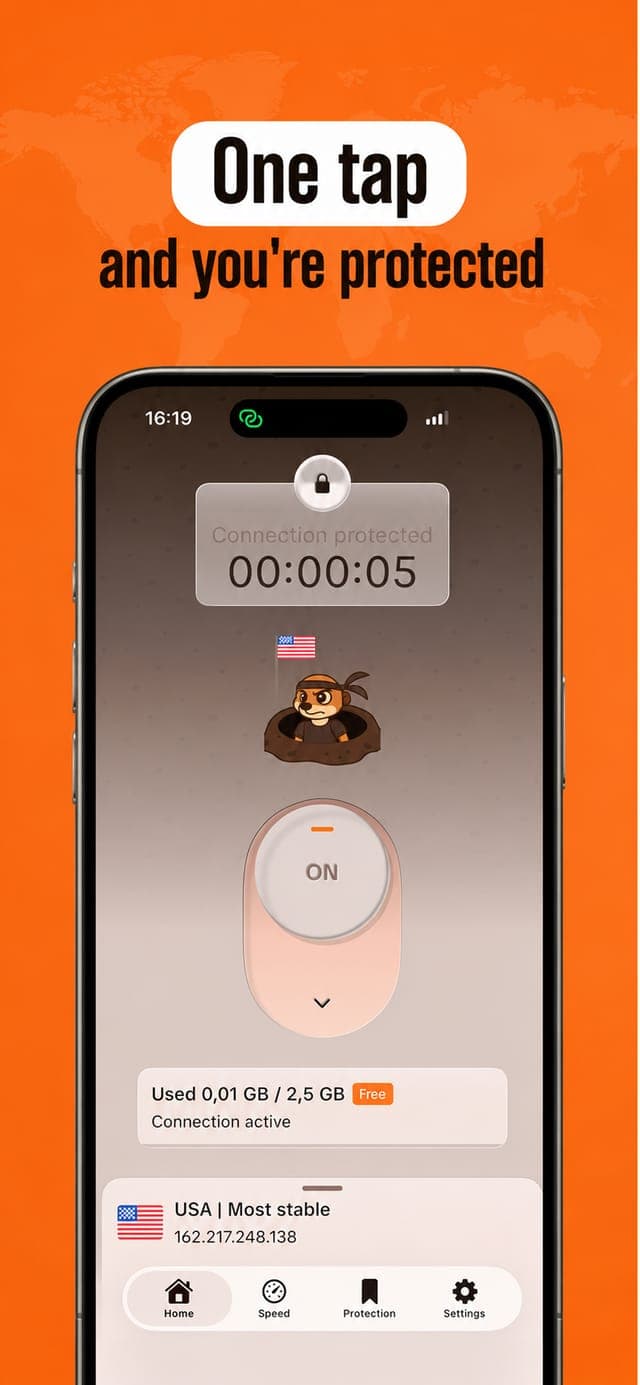
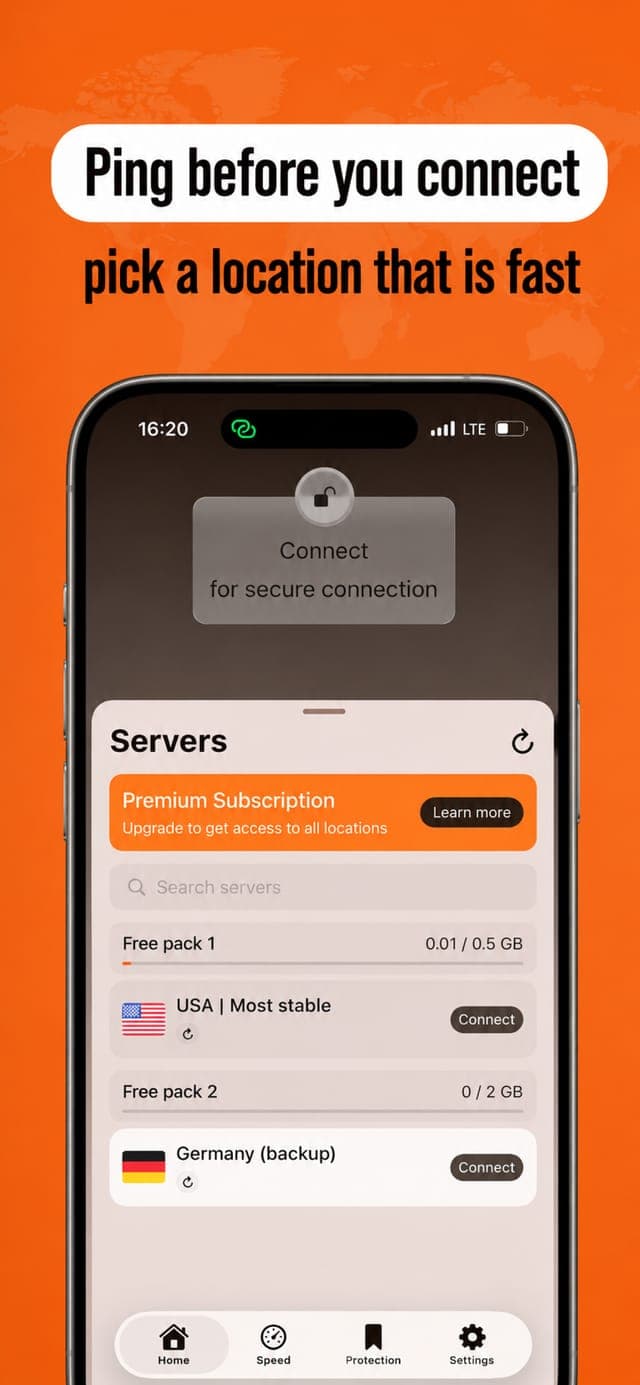
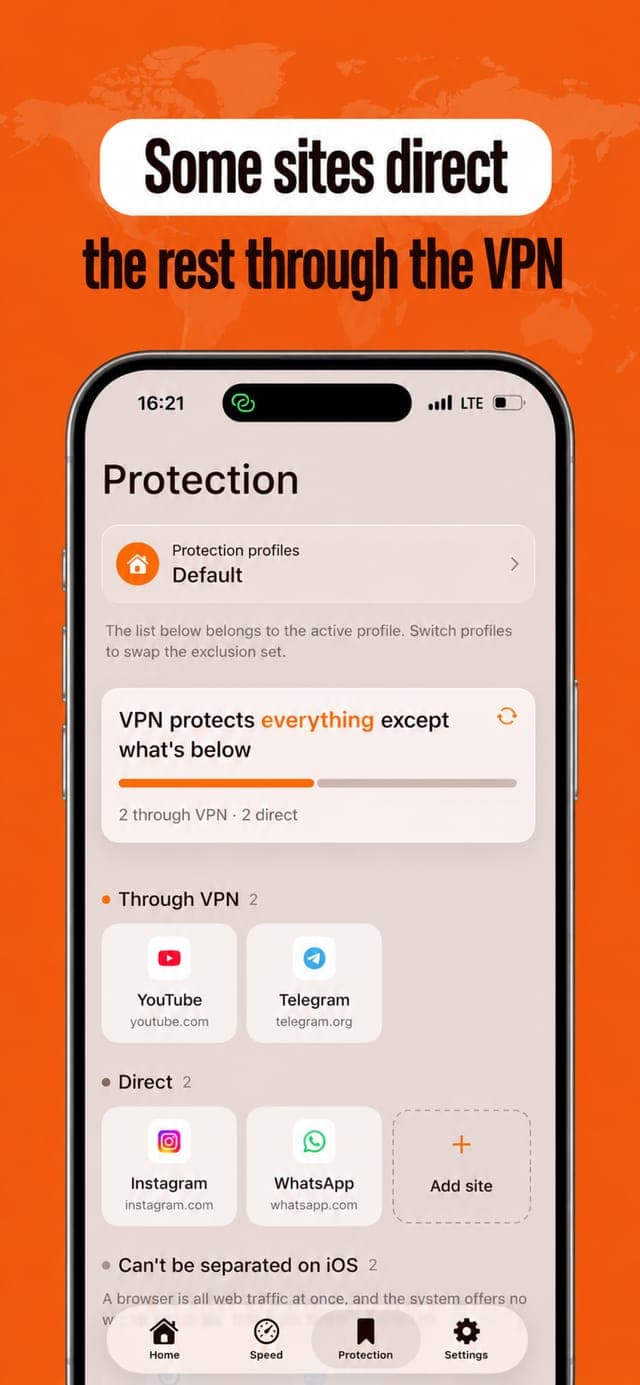
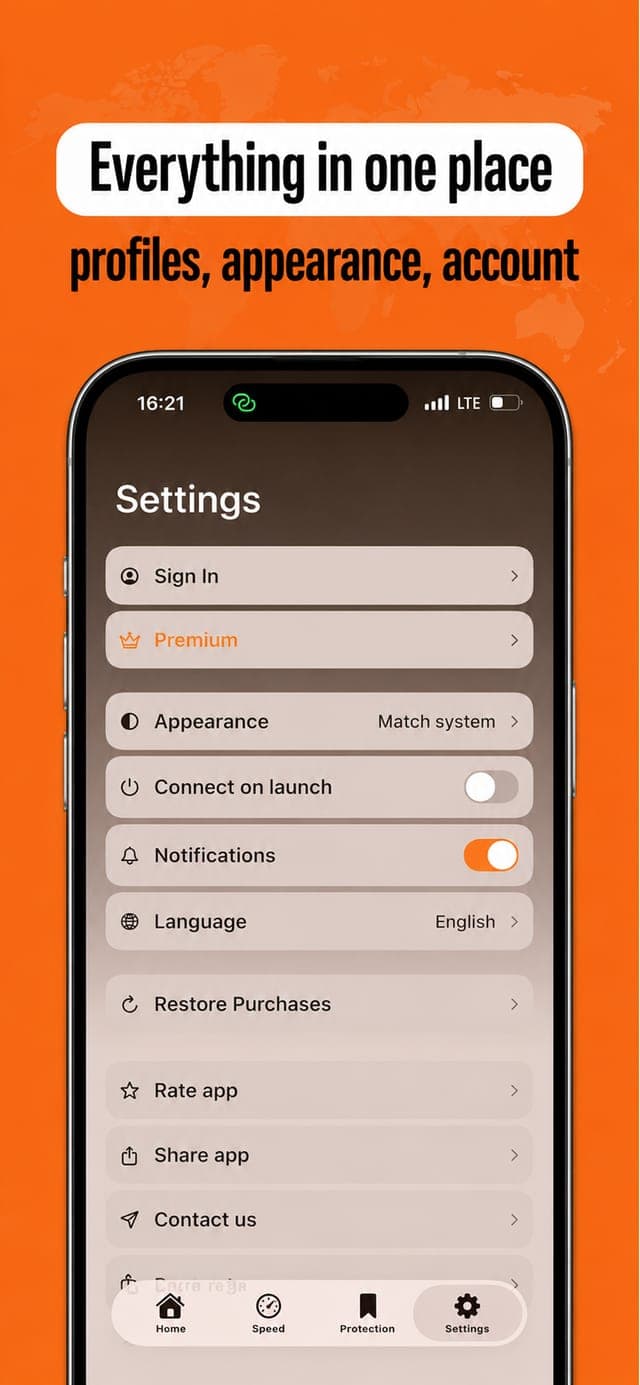
The part a store listing never shows: where the money is counted and where the traffic actually runs. Both are from our own service, with the revenue figures in the admin panel painted out.
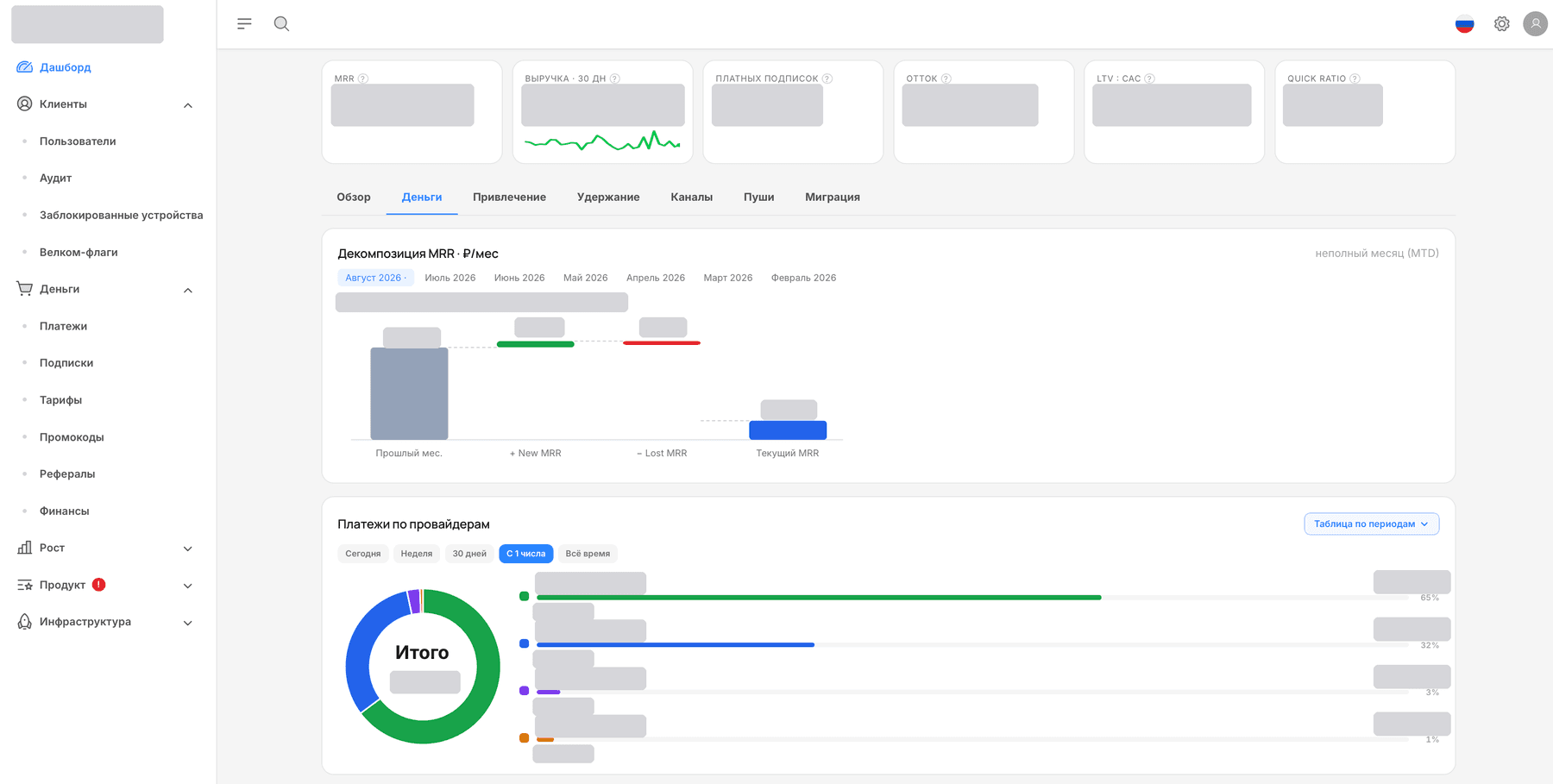
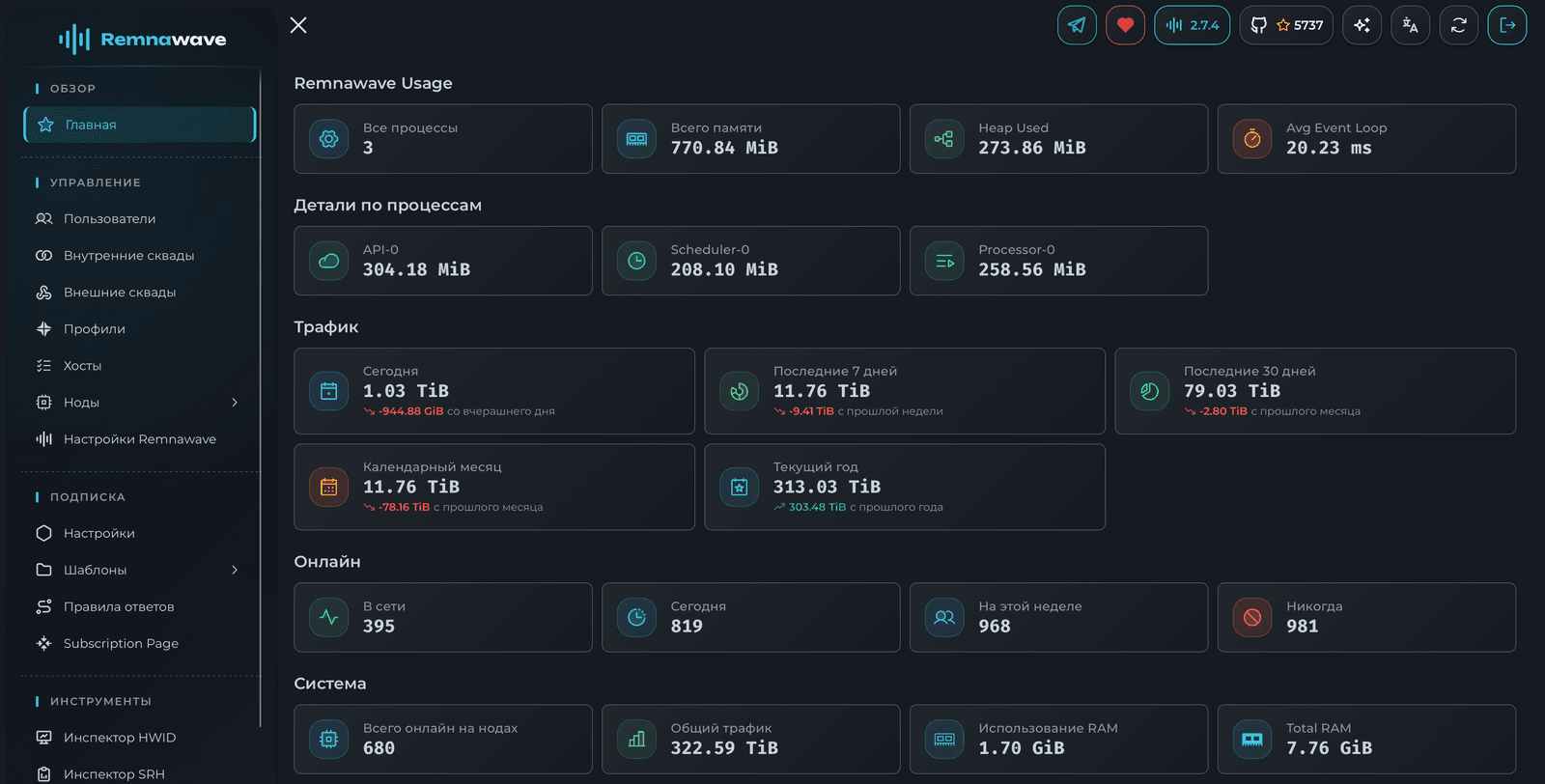
Client work is shown on a call: other people’s services are other people’s brands and revenue, and we will not publish them without permission. Our own product is fully open — you can download it and check.
See MeerGuard liveYou send an enquiry, we get on a call and go through the idea, the brand and the details.
We work out what we build and what you already have. Quote and timeline in writing.
We build the apps, backend, panel and site under your brand.
We publish to the stores and hand over the code, accounts and access.
Payments, key issuing and support run themselves. You do the marketing.
Proof
MeerGuard is ours, built on exactly this set. The numbers come straight out of its database.
Data as of 13 August 2026 · Full MeerGuard case study
It depends on scope. A client app with no backend is weeks; a full service with backend, panel and site takes longer. Timelines are fixed in writing after we talk.
Reviewing VPN apps is its own skill and we have been through it more than once. What gets you through is correct packaging and working the appeals — both are part of the job, not a promise.
If you already have Apple Developer and Google Play Console, we publish on yours and there is nothing extra. If not, we register them and hand them over.
You do. Apps, backend, site and accounts become your property.
No. Payments, key issuing and support run themselves. You need a team only if you want to grow the product further.
Mostly servers. For reference, our own infrastructure costs about ₽35,000 a month. The exact figure depends on user count.
We will put together a scope for your case and give you a range. We reply within 10 minutes on Telegram.